
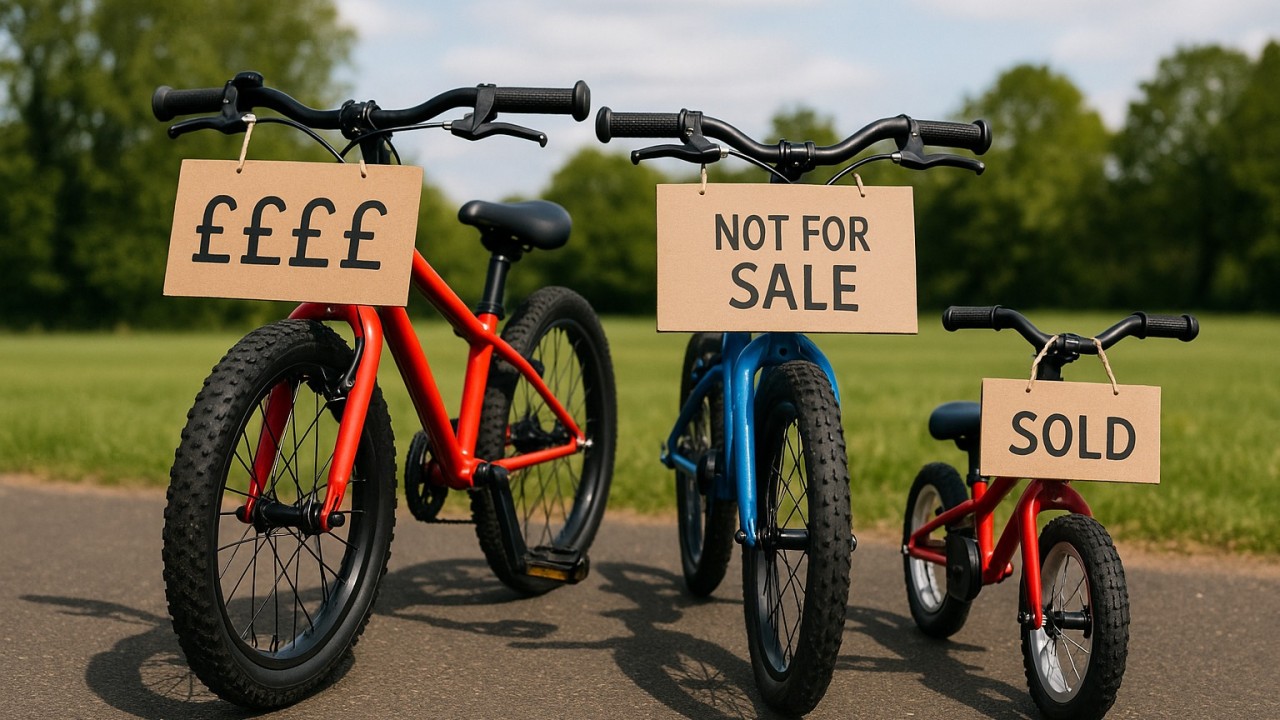
Two weeks ago, we bought our son a new bike and it quickly became a parody for our industry.
We started by looking online at the designer brands that ‘people’ buy and having not bought a bike for quite some time, my first thought was “Christ this is expensive, am I just paying for the brand and the bragging rights here?”.
Next, we spent a long time in the high street option. Lots of choice, but inexperienced and questionable service.
“Oh this is great value, but you can’t buy it, well you could buy it boxed and assemble the whole thing yourself but that’ll take ages and needs tools so really you’ll have to wait until we’ve built it and that’s £10 extra. They might build one sooner at another branch but we’re not on the same system so you’d have to go there”.
Righto.
Cue a bike-less-induced dejection and a smattering of rage as we stood at the till with the physical bike we weren’t allowed to buy.
Then as I sat and ate a commiseratory McDonald’s that I didn’t really need, I eventually found an independent bike shop not far away. The website was a Facebook page, the SEO was non-existent, the Google maps page had the name the wrong way round, but off we went. The shop was run by the owner, a family business she’d taken over from her father, and there wasn’t much she didn’t know about bikes. They didn’t pretend to stock everything, they knew what they did well and stuck to it; also recognising that their size meant that they could offer good products at a realistic price point. Sound familiar?
So, of course, we bought the only boys bike they had, which she setup perfectly for him there and then, and then she hugged us all and she cried. Then we cried. It was a curious experience.
Her father had just passed away, and she had been questioning whether, in the face of big business and online retail, what she was doing was the right thing. We ended up with a good product at the right price and supported a small business in the process so it felt good for everyone. We ended up there because the high-end firms were pedalling (sorry) their label for an excessive charge, whilst the high street stacked it high and sold it (or didn’t) cheap.
But being smaller and more specialist is tough, you can’t always take on every bit of business because it dilutes your offering or risks failure and reputational damage. So, you stick to your guns, which are often pea-shooters in the face of canons, and in doing so reduce your possible market share and revenue opportunities. This in turn, of course, can keep you small. But that isn’t always a bad thing if you’re lean and efficient, which we are always striving towards.
So being niche is the model we will always embody even if that keeps us smaller, because the alternatives are the Shrek firms, big delivery consultancies, and high street agents that we fight against daily. The ones whose mess we so often inherit and rectify more cost effectively.
So, thank you to the little bike shop, because every time I look at my sons bike, I’ll remember that smaller and niche is “just right”. Perhaps anything else is just vanity, laziness, or habit.